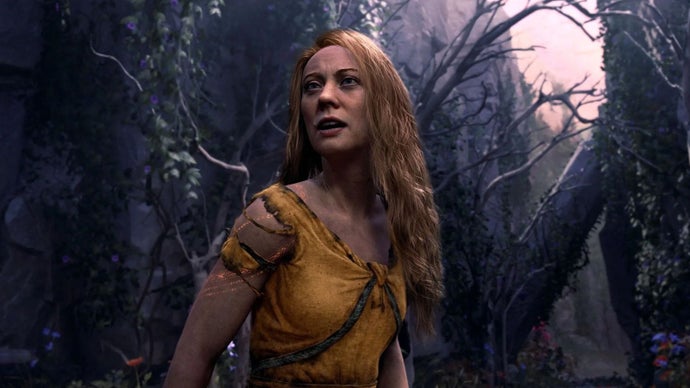
Discover 18 Remarkable Cosplayers Featured at Fantasy Basel in Switzerland
### The Growth of Costume Play: An Emerging Trend Captivating the Globe
Costume play, often known as cosplay, has evolved into a lively and engaging trend that enchants enthusiasts of all ages. Stemming from a fusion of fandom culture and imaginative expression, cosplay consists of individuals crafting and donning costumes that depict characters from video games, anime, comics, and films. This trend has experienced a rapid surge in popularity, establishing itself as a key feature at conventions, festivals, and social events worldwide.
#### An Insight into the Fantasy Basel Event
One of the premier venues highlighting this remarkable form of self-expression is Fantasy Basel, an annual comic convention located in Switzerland. Photographers like Mineralblu have documented the stunning artistry and inventiveness of cosplayers at such gatherings, offering a peek into this vibrant world for those who may not have witnessed it personally.
#### Distinctive Cosplay Creations
The newest collections of cosplay costumes showcase a dazzling range of characters, some well-established while others are lesser-known yet equally remarkable. Among the recognized figures are:
– **Cloud and Sephiroth** from *Final Fantasy VII*: These legendary characters have evolved beyond gaming to encapsulate cultural emblems in their own right.
– **Ciri** from *The Witcher*: With her captivating features and intricate character journey, Ciri’s representation emphasizes the depth of character exploration in cosplay.
Alongside these cherished figures, cosplayers have also amazed spectators with unique interpretations such as:
– **Ornstein** from *Dark Souls*: A visually striking rendition that reflects the game’s dark aesthetics and intricate lore.
– The inaugural cosplay from *Helldivers*: This pioneering representation is a reflection of the expanding universe of characters chosen by cosplayers.
#### Remarkable Mentions
The diversity within the cosplay community is extraordinary, as individuals embody a vast array of genres and styles. Notable highlights include:
– **Thor Armor** from *Assassin’s Creed Valhalla*: An impressive representation that honors the Norse mythology embraced by the game.
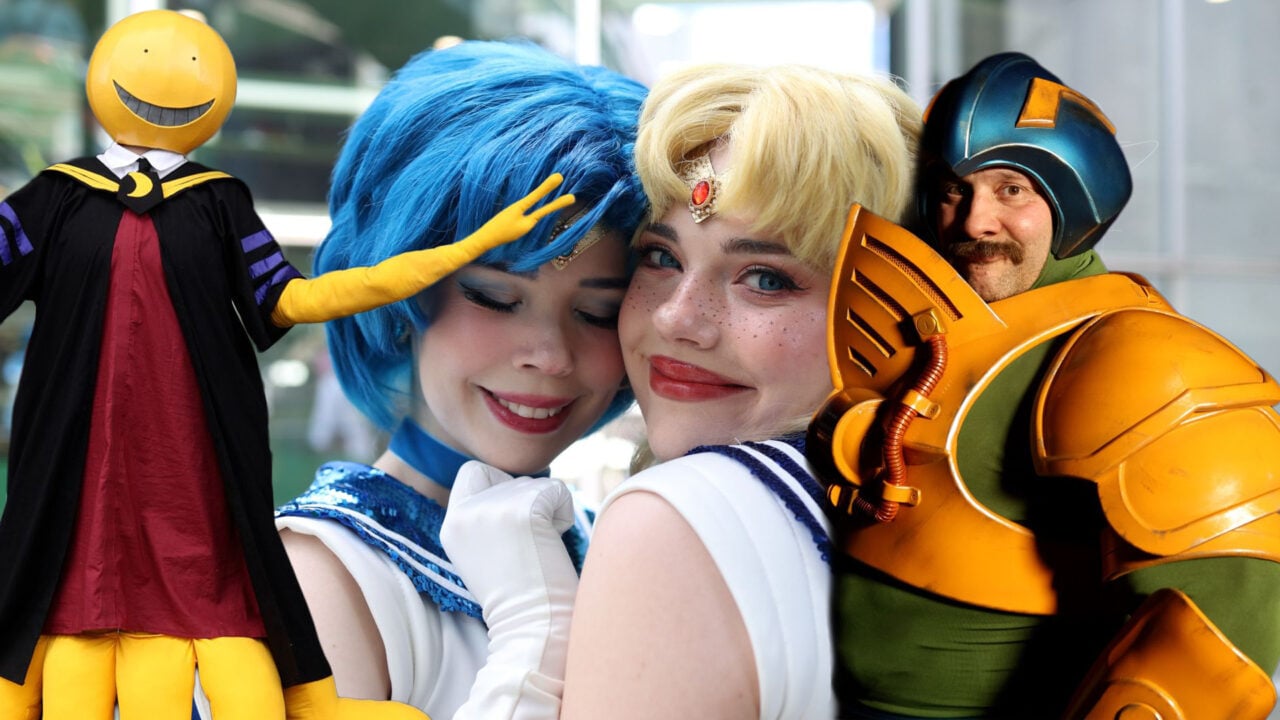
– **Koro-Sensei** from *Assassination Classroom*: A playful interpretation of a beloved anime figure, showcasing the creativity frequently found in cosplay.
– **Bloodraven** and **Sister of Battle** from *Warhammer 40K*: These outfits illustrate the rich lore and design that have attracted a devoted following.
#### The Personal Element of Cosplay
Perhaps the most charming aspect of cosplay is the personal flair that each participant adds to their costume. For example, the depiction of **Man-at-Arms** from *Masters of the Universe* stands out, invoking nostalgia while also embracing modern interpretations of this classic character.
#### Conclusion
As cosplay keeps gaining momentum, events like Fantasy Basel play an essential role in fostering community and highlighting talent. Through the perspective of artists like Mineralblu, the world can recognize the commitment and craftsmanship involved in this trend. Whether through the dazzling renditions of familiar characters or the creative interpretations of lesser-known ones, cosplay is undeniably a culture that resonates with many, celebrating creativity and passion in every detail.